

THE WISDOM OF THE BEATLES
Be inspired by the most iconic band of our generation.
God
Sometimes finding your truth means letting go of everyone else's
December 13
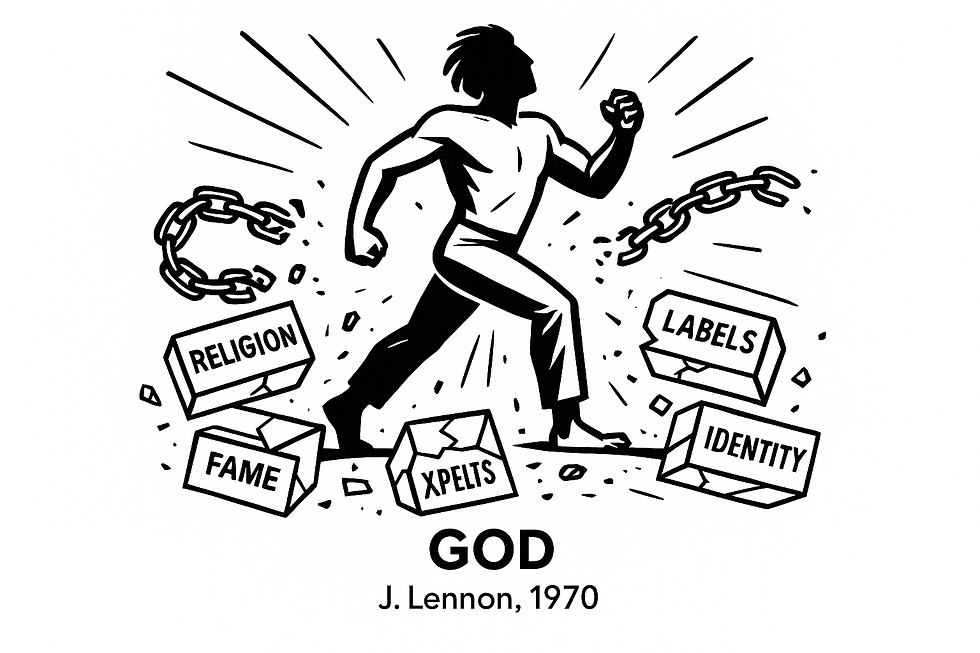
Painful honesty oozed from John's first solo album as he systematically dismantled the myths that had defined him. In the stark opening of "God," accompanied only by piano, he declared his disbelief in everything from Jesus to Buddha to Kennedy to, even, the Beatles themselves. As The Beatles were breaking up, John was going through a particularly difficult time. He was probably the most famous person in the world, but still carried immense pain from his childhood.
After years of being told who he was, from working-class lad to Beatle to peace activist, John needed an answer to a fundamental question: who am I when I stop being who everyone tells me to be? The money and fame of Beatlemania left him unfulfilled. At rock bottom, in spite of the success, John stripped away all of his identities and beliefs searching for what is real. The song's litany of rejections was an attempt to rediscover his true self. He concluded with the revolutionary declaration that he believed only in himself and Yoko. For him, this was the starting point for rediscovering himself.
Imagine the courage required to publicly reject the very thing that made him famous. "I don't believe in Beatles" outraged fans who'd invested their identity in the band, but John recognized that their need for him to be a “Beatle” could no longer override his need for mental, emotional and spiritual health. Listening to this song is like sitting in on a deeply personal counselling session. It is raw and painful.
No longer a Beatle, John faced an identity crisis. As he struggled to find himself, the weight of childhood trauma came rushing back. This song is only the first step in what was a long process of healing for John. A journey that he allowed us to witness through his music. In his final two albums (written about 10 years later), John showed remarkable healing, maturity and gratitude.
Today, I will identify one belief or identity I'm maintaining for others' comfort rather than my own truth, and begin the process of honest examination.
What belief are you carrying because others need you to believe it? What identity are you maintaining because changing would disappoint people who prefer your current version?
Join March's Metal Health Lessons
When John Lennon admitted "Help! I need somebody" in 1965, he shattered expectations for rock stars by choosing vulnerability over invincibility. That radical honesty revealed how The Beatles understood that acknowledging struggle doesn't diminish strength, it creates the foundation for sustainable success. Throughout March, we'll explore how their approach to mental wellness, emotional honesty, and inner refuge provides actionable frameworks for leaders navigating burnout, anxiety, and unprecedented pressure in every area of life.
Are you looking for deeper learning? Check out the full post for a 15 minute read.