top of page
FabFOUR
Untitled.png

THE WISDOM OF THE BEATLES

Be inspired by the most iconic band of our generation.

Savoy Truffle

What we consume excessively often reflects what we're hungry for emotionally.

August 14

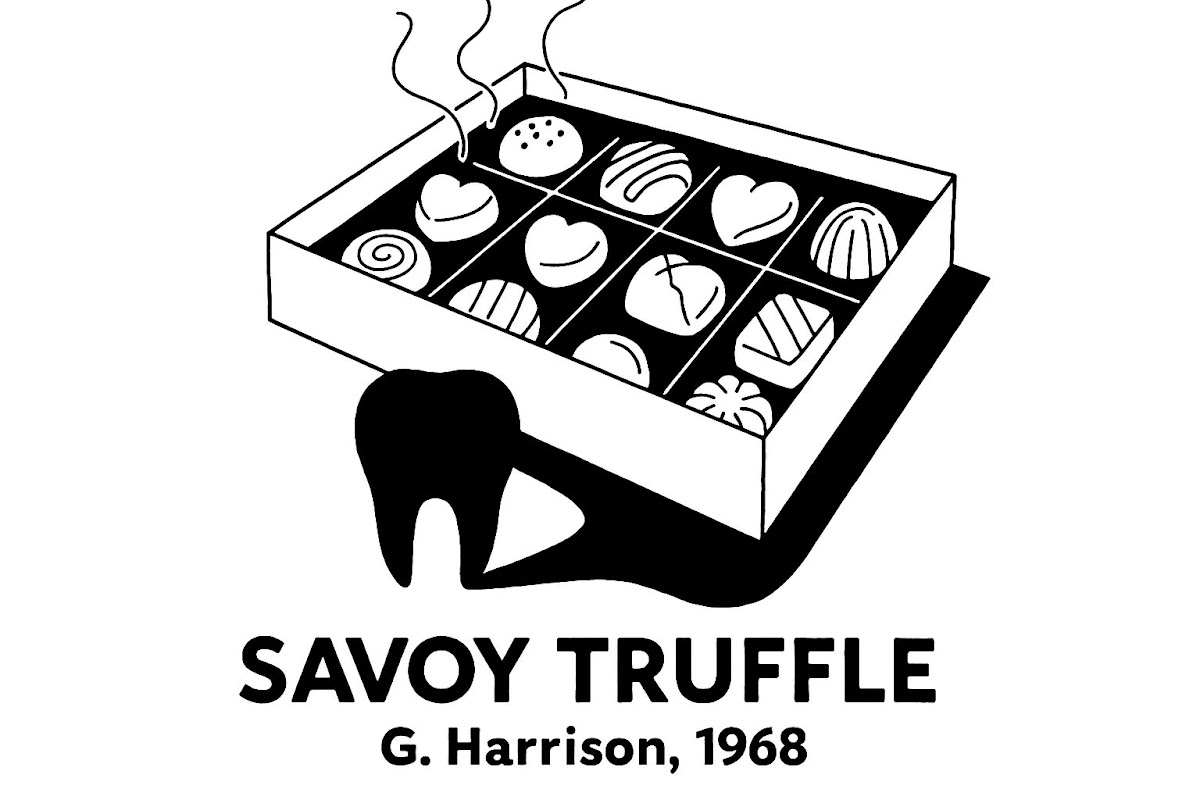
Simple black ink drawing of elegant chocolates in a box with one piece creating a large shadow, suggesting how small indulgences can cast big shadows on our wellbeing

Excessive indulgence rarely satisfies the hunger it's trying to feed. George wrote "Savoy Truffle" in 1968 as a playful warning to his friend Eric Clapton, whose notorious sweet tooth had him constantly snacking on exotic chocolates from London's Savoy Hotel. George lovingly catalogued every decadent flavor—"Creme tangerine and Montélimar, a ginger sling with a pineapple heart"—while worrying about the inevitable consequences.


Repetitive consumption often signals deeper dissatisfaction trying to surface. Clapton's endless chocolate habit wasn't really about chocolate—it was about filling a void that sweets couldn't actually satisfy. George's gentle mockery contained genuine concern, recognizing that his friend was medicating something beneath the surface with sugar and luxury.


Indulgence becomes problematic when it shifts from occasional pleasure to a compulsive pattern. We all have our "savoy truffles"—the things we turn to repeatedly when life feels overwhelming or empty. Whether it's shopping, scrolling, eating, or working, these behaviors often mask our reluctance to face what's really bothering us.


Compulsive behaviors serve as emotional anesthesia, numbing us to feelings that need our attention. George's playful warning is about the inevitable consequences of using over-consumption to avoid the real issue.


Today, I will notice if I'm reaching for my own "savoy truffle" compulsively, and instead pause to ask what I'm really hungry for beneath the craving.


What do you overindulge in when you're trying to avoid feeling something difficult, and what might that pattern be trying to tell you?

Join December's Faith and Spirituality

The Beatles' "My Sweet Lord" wasn't just a devotional hit. It was authentic spiritual seeking that resonated globally. When George integrated faith with professional excellence, he demonstrated something profound: purpose and performance aren't competing priorities but complementary practices. This December, we're exploring how spiritual intelligence creates sustainable success and meaningful impact. From George's meditation practice to John's journey from cynicism to surrender, discover how four musicians transformed spiritual seeking into competitive advantage, and how their approach provides a blueprint for integrating faith and purpose into professional life without sacrificing either.


Are you looking for deeper learning? Check out the full post for a 15 minute read.

Come Together with The Fab Four Community

Join the Fab Four Community to get exclusive previews and early-bird offers.

bottom of page