The Right People: Creating Connection
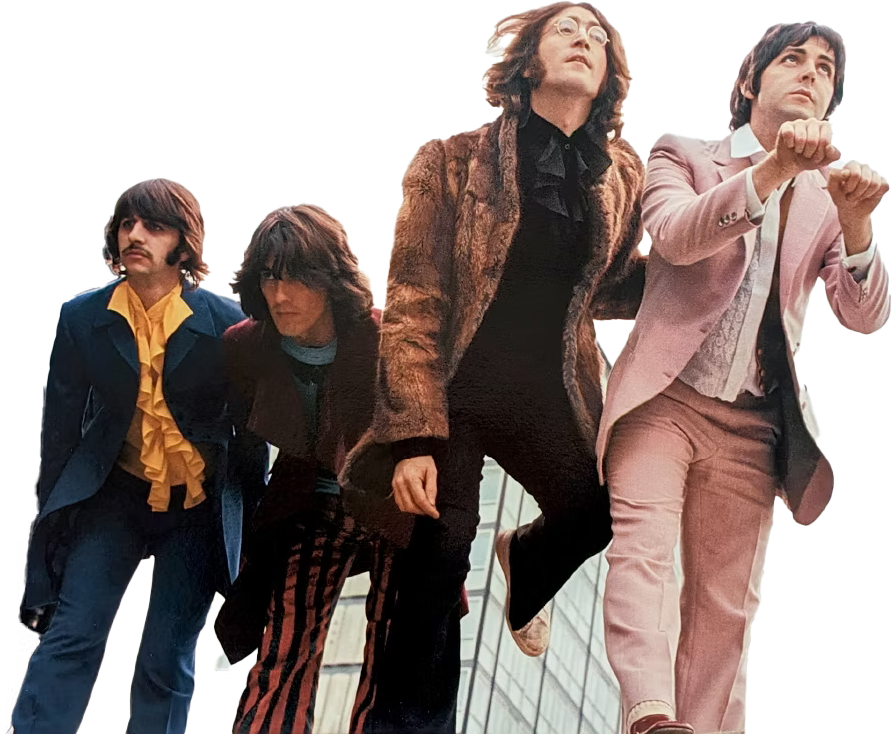
When John Lennon first met Paul McCartney at St. Peter’s Church fete in July 1957, he faced a pivotal decision. Paul demonstrated remarkable musical versatility, playing both guitar and piano with impressive skill. Though clearly talented, bringing Paul aboard meant John would no longer be the sole musical leader. After reflection, John prioritized the band’s potential over his ego. He recognized that great vision without great people is irrelevant. This willingness to bring aboard someone who might even outshine him in certain areas demonstrates a foundational principle of excellence: putting the team ahead of individual ego.
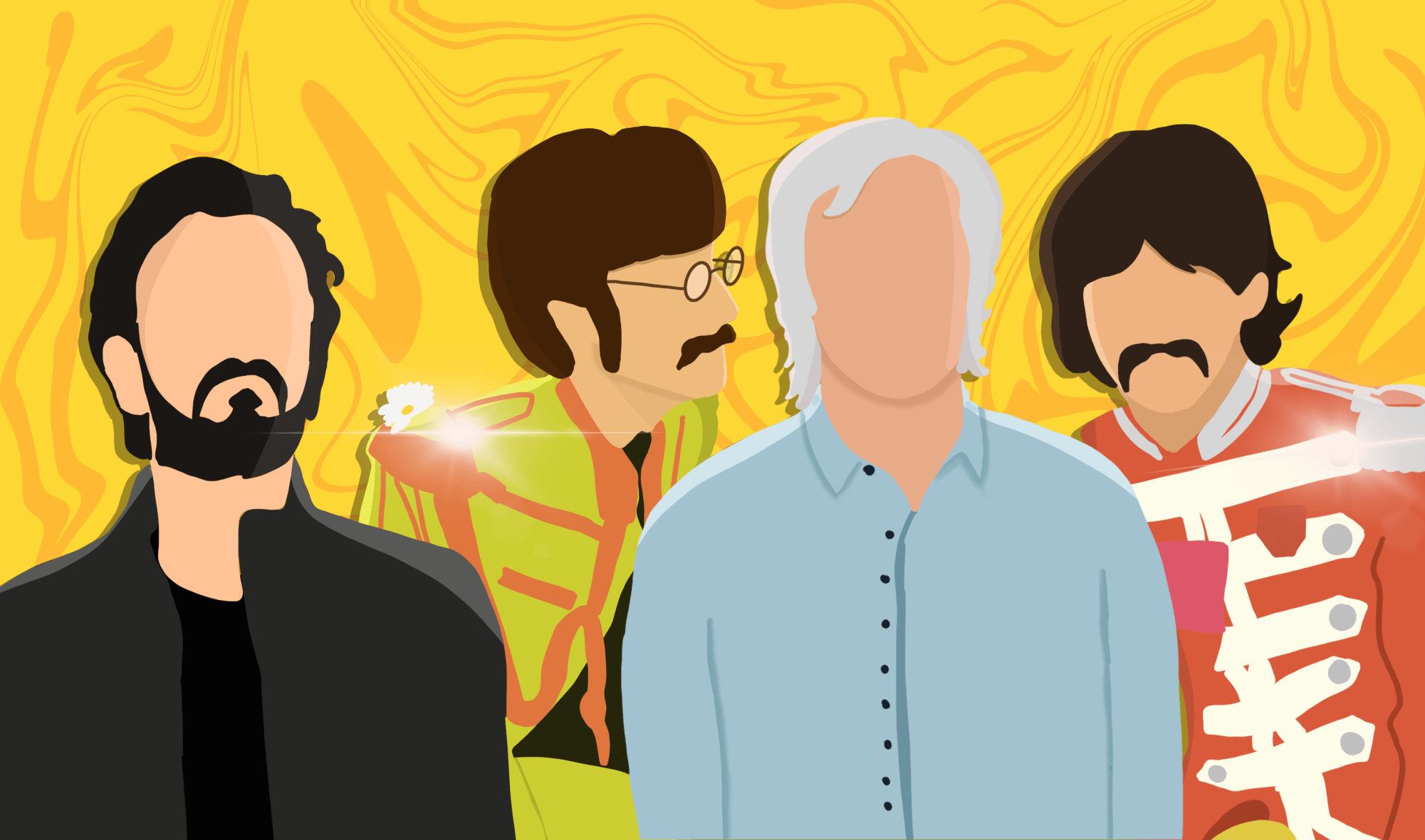
This pattern continued when Paul suggested his young friend George Harrison join the group. Though initially reluctant due to George’s age (just 14), John was eventually won over by George’s guitar playing during an impromptu audition on a Liverpool bus. Years later, the difficult decision to replace drummer Pete Best with Ringo Starr further showcased their commitment to assembling the optimal team, regardless of personal discomfort. The Beatles’ vision evolved alongside their lineup. The right combination of people—John, Paul, George, and eventually Ringo—created a chemistry that would define their distinctive sound and approach.
The Right Seats: Clearly Defined Roles
Having the right people isn’t enough—they need to occupy roles that maximize their contributions. The Beatles maintained remarkably consistent roles during their rise to fame. Early in their time together each Beatle occupied a distinct position:
John Lennon: The visionary leader who provided direction and creative spark. Roles: Songwriter, rhythm guitar, harmonica, and lead vocals.
Paul McCartney: The musical director who brought polish and professionalism. Roles: Songwriter, bass guitar, piano, and sang lead vocals.
George Harrison: The thoughtful instrumentalist who added depth and spirituality. Roles: Lead guitar, occasional songwriter, and occasional lead singer.
Ringo Starr: The steady, reliable presence who created the foundation. Roles: Drums, percussion, and occasional lead singer.
These complementary roles allowed each member to focus on their strengths while supporting others’ contributions. Rather than competing for territory, they established clear responsibilities that created space for individual excellence within a cohesive whole.
The Beatles’ success wasn’t solely about the four band members. Two crucial supporting players — manager Brian Epstein and producer George Martin — were essential to their rise. This illustrates another key principle: excellence often requires finding the right supporters, advisors, and specialists who complement the core team’s abilities. Brian Epstein brought organization, structure, and professionalism to a group that had raw talent but lacked polish. Similarly, George Martin provided the technical expertise and creative curiosity they needed to revolutionize studio recording.
What qualities are important to you when you assemble a team or hire a colleague? Do you look strictly at talent alone, or do you consider personality and how that person might “fit”?
Come Together: Excellence in Teams and Organizations
The Beatles’ path to excellence offers wisdom for every organization: from teams to businesses to community groups. Their story demonstrates that team chemistry often trumps individual capability—a principle repeatedly proven in every field of human endeavor. I explore this phenomenon in my upcoming book, Fab Four Pillars of Excellence.
When John invited Paul to join the band, he prioritized the band’s potential over his ego. Similarly, bringing George into the band upgraded the talent. Finally bringing Ringo on board was the final piece of the puzzle. He was a superior drummer, but more importantly, he was the right fit for the band.
Jim Collins, in his landmark book Good to Great, emphasizes: “First get the right people on the bus, the wrong people off the bus, and the right people in the right seats — and then figure out where to drive it.” The Beatles’ story exemplifies this principle perfectly. The Beatles maintained remarkably consistent roles during their formative years, allowing each member to develop mastery in their area. This clarity created the stable foundation that enabled their later creative explosion.
Consider the legendary coach John Wooden, who created a remarkably consistent seven‑person rotation at UCLA during their championship dynasty. Wooden didn’t just recruit the most talented players — he stressed the importance of communicating clearly defined roles within the system. Coach Wooden found that his teams excelled when each player embraced their specific role within the team structure.
John, Paul, and George performed together for nearly five years before Ringo joined—creating a foundation of shared experience that Ringo enhanced rather than disrupted. This reminds us that team cohesion isn’t built overnight but through countless shared experiences, both triumphs and failures.
Every team and organization can learn from The Beatles’ example. It offers consistent principles for creating excellence through connection:
In your workplace, team, or group are roles clearly defined in ways that honor each person’s unique gifts? Where might you provide a word of encouragement or step back to allow someone else to shine in their natural strength?
Come Together at Home: The Family Dynamic
Just as The Beatles blended distinct personalities into harmony, families thrive not through sameness but by embracing differences. Whether you’re the “John” with big ideas, the “Paul” keeping things running smoothly, the “George” with quiet wisdom, or the “Ringo” bringing reliability and calm—every family needs all four energies.
Like The Beatles, family roles shift over time. Parents become grandparents, children become caregivers, and the family dynamic continually adapts to life’s changes. Interestingly, The Beatles themselves struggled with evolving roles as their careers progressed. George Harrison’s growing songwriting talents weren’t fully embraced until late in the band’s career. John and Paul’s leadership dynamic became increasingly strained. And ultimately, the band couldn’t successfully navigate the transition from young hitmakers to mature artists with independent creative visions.
Birth order often complicates family roles, creating default dynamics that can be difficult to evolve beyond. Just as George Harrison struggled to be seen as more than “the quiet Beatle” despite his growing talents, younger siblings often fight to be recognized beyond their initial family positioning. The Beatles’ failure to create space for George’s creative evolution mirrors what happens in many families—established roles become rigid limitations. Unlike The Beatles, who lacked formal structures for handling role evolution, families can intentionally create space for growth and change.
We can learn from their challenges by openly discussing changing needs, acknowledging when existing patterns no longer serve us, and creating processes for navigating transitions that the Beatles never developed. By allowing each family member to evolve beyond their initial role—whether first‑born leader, middle child mediator, or youngest free spirit—families can maintain harmony while supporting individual growth.
Does your family have specific roles that have become rigid? Have they changed over time? Are certain members of the family overlooked because they are still seen in their childhood role? What can you do to give space to other family members to contribute in a new way? How can you nurture the hidden talents within your family?
The Power of Partnership: Coming Together in One‑to‑One Connection
The Lennon‑McCartney partnership demonstrates how two distinct personalities can create something far greater than either could alone. Though vastly different temperamentally and creatively, their complementary strengths produced some of the most enduring music of our time. This creative tension wasn’t always comfortable. Yet this very difference generated their magic. John’s raw, experimental energy balanced with Paul’s structured, melodic approach created a fuller sound than either could have achieved independently.
The lesson for our partnerships—whether romantic, professional, or friendship—is profound. The people who challenge you most often have the most to teach you. The perspectives that feel most foreign to your natural approach are precisely those that can fill your blindspots.
With a Little Help From My Friends
The Beatles’ song “With A Little Help From My Friends” captures a fundamental truth about friendship—we all need support sometimes. Written specifically for Ringo to sing, the song reminds us that vulnerability and interdependence aren’t weaknesses but the essence of true connection. In an era where independence is prized above all else, The Beatles remind us that none of us is meant to go through life alone. Allowing ourselves to need others—and to be needed—creates the mutual support that defines genuine friendship.
Octopus’s Garden
“Octopus’s Garden” describes a peaceful underwater refuge “we would be so happy – you and me.” This whimsical song captures another essential aspect of friendship—creating safe spaces where we can be fully ourselves. True friends create metaphorical “gardens” where we don’t have to perform or pretend. In these safe spaces, we can express our fears, dreams, and quirky interests without judgment. Like The Beatles, who encouraged each other’s creative experiments (even underwater fantasies), real friends make space for our authentic selves to emerge.
Which of your friends might need a little help? Whom will you call on when you need a little help? How might you create more “garden spaces” where both you and others feel safe to be authentically yourselves?
Come Together: The Unified Theory of Beatles Wisdom
From Liverpool clubs to worldwide phenomenon, The Beatles’ journey wasn’t just about musical talent — it was about assembling the right people, establishing clear roles, and creating the chemistry that transforms a group from good to great. By applying these timeless principles to our own lives, we can create our own versions of magic in every sphere of connection.
Frequently Asked Questions
Start by having honest conversations about what roles truly energize each person versus which feel like a chore. The Beatles thrived because each member's strengths were channeled appropriately — John's edge, Paul's melody, George's depth, Ringo's steadiness.
Focus on redefining roles rather than replacing people. The Beatles often adjusted who sang lead, who wrote specific songs, and how decision-making worked. Reconfiguring contributions can unlock hidden synergies without changing the roster.
Follow the Beatles model: celebrate individual contributions publicly while insisting on collective goals. John, Paul, George, and Ringo each had solo spotlights, yet the band always presented a unified front.
Discover how timeless music translates into practical leadership principles at Fab Four Academy. Join the Fab Four Academy Community and pre-order The Fab Four Pillars of Excellence.