Paul McCartney Days We Left Behind: Aging Gracefully Review
- Apr 2
- 4 min read
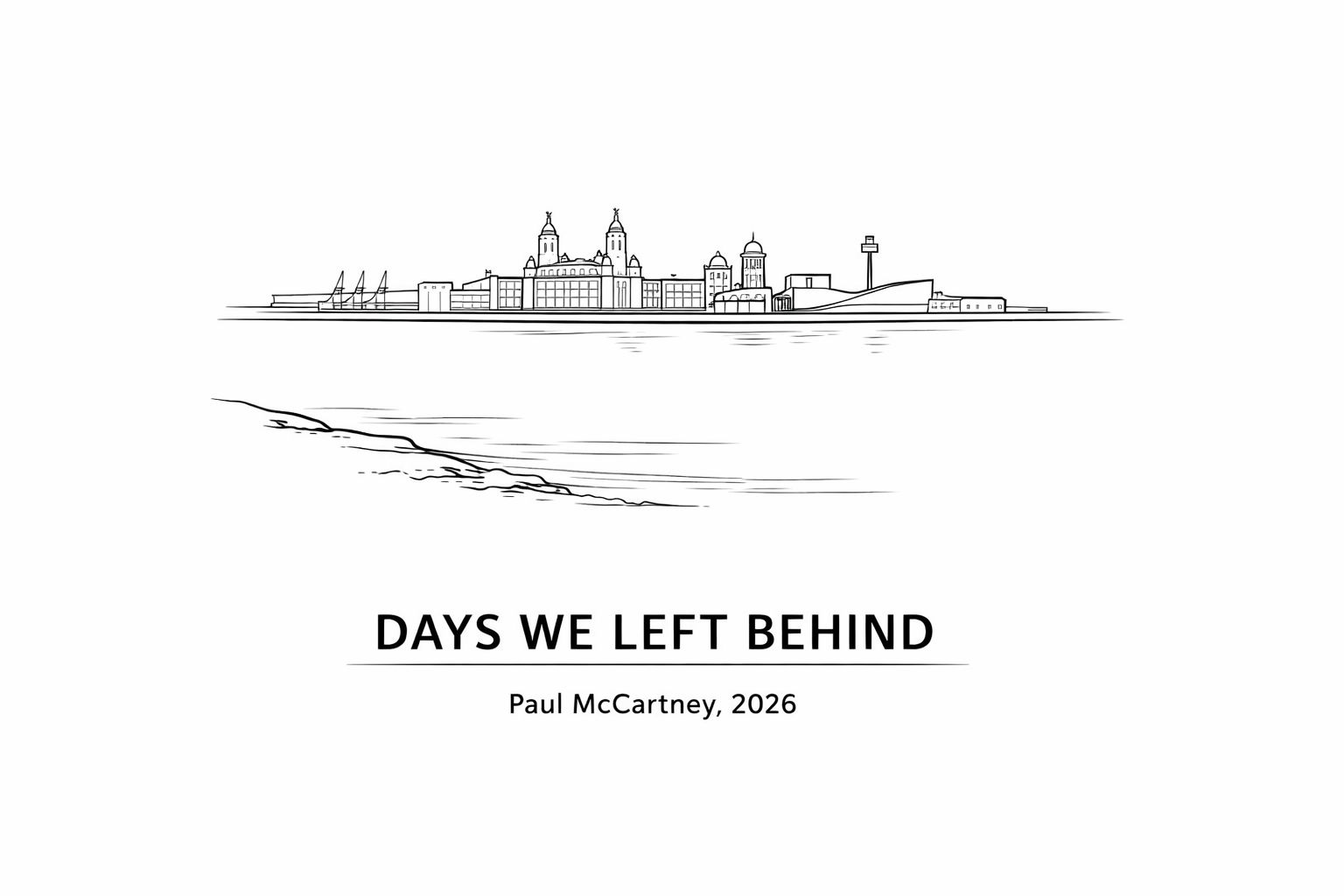
Paul McCartney Days We Left Behind arrived March 26, 2026, and it might be his most emotionally honest release in years. After six years without new solo material, the 83-year-old legend delivers a song that doesn't just embrace nostalgia. It embraces the voice of an older man who has stopped fighting time. The acoustic guitar sets the tone, but the real power comes from Paul's willingness to let us hear exactly who he is now. No pretense. No polishing. Just a songwriter reflecting on Liverpool, lost youth, and the beauty of accepting where life takes you.

The Voice That Stopped Hiding
For decades, I've watched Paul's voice slowly change. It's been hard to hear. The high notes that once soared now crack. The effortless range has narrowed. But in "Days We Left Behind," something shifted. Paul sounds comfortable. He's not straining for notes he can no longer reach. He's singing in the register of an 83-year-old man, and it's lovely. This isn't resignation. It's acceptance. As my friend Mike Linker perfectly described it, the song is "reflective, unapologetic, appreciative and inclusive of both past and present."
The song dropped as the lead single from The Boys of Dungeon Lane, Paul's first album since McCartney III in December 2020. Produced by Andrew Watt, who also helmed recent projects for Ozzy Osbourne and the Rolling Stones, the track debuted at #5 on the UK iTunes chart and currently sits at #14. It's performing well globally, reaching #22 on the worldwide iTunes Top Songs chart in its first week. These aren't just vanity numbers. They prove people still care about what Paul has to say.
Liverpool Never Left Him
The lyrics pull us back to Speke, the working-class Liverpool neighborhood where Paul grew up. He references Dungeon Lane, a street leading to the beach. He mentions Forthlin Road, where he lived. He even includes a section about John. Paul has written about Liverpool before, but this feels different. There's no stylized distance like in "Penny Lane." This is lived memory, foggy with time but deeply personal.
What makes the song even more remarkable is its history. Paul first explored these themes in a 1991 demo called "In Liverpool," which he performed at the Liverpool Sound concert in 2008. The original lyric was "Walking with the boys of Dungeon Lane / Aimlessly towards the cast iron shore." Now, 35 years later, the line has evolved to "See the boys of Dungeon Lane / Along the Mersey shore." The song has aged with him.
The Universal Power of Place
Paul makes his Liverpool nostalgia feel universal. As he tells it, you could swap out the place names and the song could be about anyone's hometown. For me, that's Sumner, Washington. For you, it's wherever you came from before life pulled you away. The genius of Paul's songwriting has always been this ability to start specific and land somewhere everyone can recognize. A street name becomes a feeling. A memory becomes a mirror.
The album The Boys of Dungeon Lane, due May 29, 2026, promises more of this introspective territory. Paul plays most of the instruments himself, echoing the spirit of his 1970 solo debut. The 14-track collection explores his childhood in post-war Liverpool, the resilience of his parents, and early adventures with George and John before Beatlemania changed everything. It's his most personal work in decades.
What Leaders Can Learn From Aging Gracefully
Paul's willingness to embrace his aging voice offers a leadership lesson worth noting. Too often, we resist the changes that time brings. We fight to stay who we were instead of becoming who we are. Paul could have kept chasing his younger voice. He could have used studio tricks to mask the wear. Instead, he leaned in. He let us hear the truth.
That's courage. And it's effective. The song resonates because it's honest. Audiences can tell when someone is pretending, and they can tell when someone is real. Paul chose real. In leadership, the same principle applies. Authenticity wins. Pretending to be something you're not creates friction. Owning where you are, and who you are, creates connection.
Listen & Learn
MINI-FAQ
Q: When was Paul McCartney Days We Left Behind released?
A: Paul McCartney Days We Left Behind was released on March 26, 2026, as the lead single from his album The Boys of Dungeon Lane. It premiered on BBC Radio Merseyside at 2:50 p.m. UK time and quickly climbed to #5 on the UK iTunes chart.
Q: What is Paul McCartney Days We Left Behind about?
A: The song is a nostalgic reflection on Paul's childhood in Liverpool, specifically the Speke neighborhood. It references Dungeon Lane, Forthlin Road, and includes memories of John Lennon. Paul describes it as "very much a memory song" about the days he left behind.
Q: How did Paul McCartney Days We Left Behind perform on the charts?
A: The single debuted at #5 on the UK iTunes Top Songs chart and reached #22 on the worldwide iTunes chart in its first week. It's Paul's first solo single in six years.
Q: Who produced Paul McCartney Days We Left Behind?
A: Andrew Watt produced the track and the full album The Boys of Dungeon Lane. Watt previously worked with Ozzy Osbourne, the Rolling Stones, and other major artists. Paul plays most of the instruments himself.
Q: What album is Paul McCartney Days We Left Behind from?
A: The song is track three on The Boys of Dungeon Lane, Paul's first album since McCartney III in December 2020. The 14-track album releases May 29, 2026, and explores Paul's childhood memories and early life in Liverpool.
HOW THIS CONNECTS
Paul's embrace of his aging voice mirrors the broader theme of new beginnings we're exploring this month. Sometimes the most hopeful thing you can do is accept where you are and move forward from there. If you're interested in how perspective shapes our choices, check out our April 2026 authority post on attitude and new beginnings. And for daily insights on leadership and life, visit our Daily Words of Wisdom page. To learn more about applying Beatles principles to your team or organization, explore Dan's books including The Fab Four Pillars of Impact.


Comments